Winter Hiking Gear Checklist: 12 Essentials for Safe Cold-Weather Miles
How we fund this site: when you buy through links in this article we may earn a commission at no extra cost to you. Our rankings are never for sale — read how we test.
Empty trails, silence after fresh snow, summit views that stretch forever — winter is hiking's best-kept secret. It's also the season that punishes sloppy preparation fastest. Here's the 12-item checklist our editors run before every cold-weather trip.
The 12 essentials
- Traction — Kahtoola MICROspikes for packed snow and ice; real crampons above treeline.
- Insulated boots or waterproof hikers — cold feet end days early.
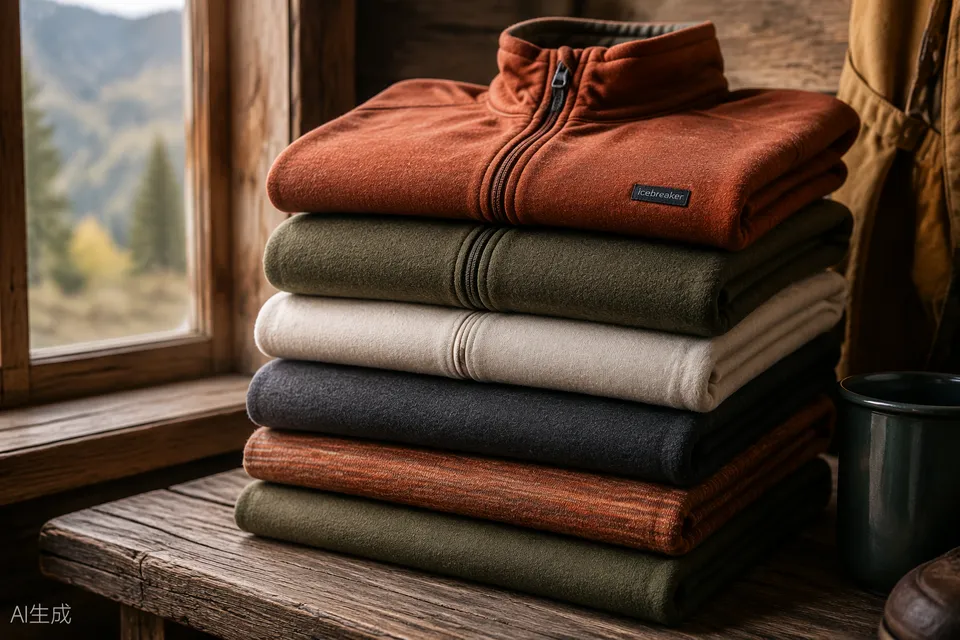
- Merino base layers (250 weight) — see our base layer guide.
- Active insulation — a breathable synthetic puffy for the climb.
- Belay parka — big down jacket that goes on at every stop. Non-negotiable.
- Hardshell — wind above treeline is the real cold. Our shell picks.
- Liner gloves + waterproof mitts — mitts are dramatically warmer than gloves.
- Beanie + neck gaiter — the 3-oz items that change everything.
- Headlamp + spare batteries — December daylight ends at 4:30. Cold kills lithium batteries slower than alkaline.
- Insulated water storage — bottles freeze; use insulated sleeves or a thermos, and store bottles upside down.
- Emergency bivy + fire kit — a space blanket and storm matches weigh 6 oz and buy you a night.
- Offline navigation — phone in an inside pocket (cold kills batteries), plus a paper map.
The three mistakes that get winter hikers in trouble
Sweating through your layers on the climb, then freezing at the summit. Start cold, vent early. Underestimating windchill — 20°F with 30-mph wind is a different sport than 20°F calm. Cotton anything — it has no place in a winter pack.
Frequently asked questions
Is winter hiking safe for beginners?
Yes — start with short, low-elevation trails below treeline, check the forecast the morning of, and turn around early. Build up to alpine objectives over a season.
Microspikes or crampons?
Microspikes for trails and packed snow; crampons for steep, firm snow and ice above treeline. If you're asking, you need microspikes.
How do I keep my water from freezing?
Insulated parka-style bottle sleeves, a thermos of hot tea, and storing bottles upside down (ice forms at the top). Bladders freeze at the hose first — blow the water back after every sip.
Gear up: base layers, footwear, and shells — all tested by our team.