Base Layers & Fleece
Merino, synthetics and fleece for smart layering.
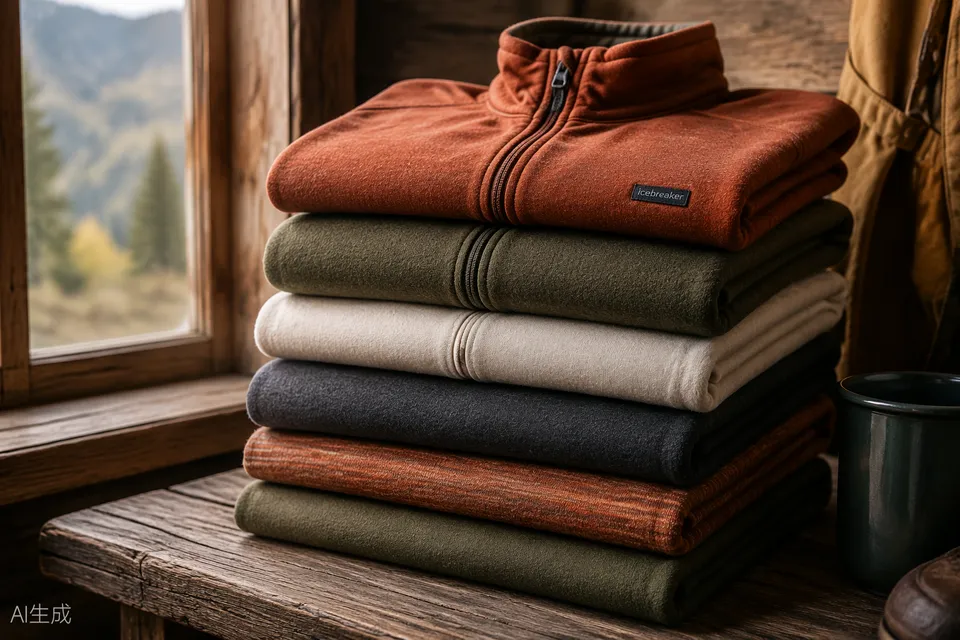 Best Overall
Smartwool Classic Thermal Merino 250
100% merino, 250-weight warmth, zero itch. The base layer our testers reach for from October through April.
Best FleecePatagonia R1 Air Full-Zip
A breathable zig-zag fleece that insulates on the climb without cooking you — the active layer that replaced three others in our kit.
Base Layers & Fleece guides
- Sun Hoodies & UPF Clothing: The Desert Hiker's Secret (2026 Guide)
Sunscreen wears off in two hours; a UPF 50 hoodie works all day. Why our testers switched — and the five sun shirts worth buying.
- The 5 Best Hiking Shirts of 2026: Merino, Synthetic & Sun Protection
The shirt you hike in matters more than most gear you buy. Five tested across a season of sweat, sun and 20-mile days.
- The 6 Best Hiking Pants of 2026: Stretch, Durable & Trail-Tested
Good hiking pants disappear; bad ones announce themselves at mile four. Six pairs tested from desert heat to alpine scree.
- The 6 Best Fleece Jackets for Layering (2026): Grid, High-Pile & Classic
The humble fleece is the hardest-working layer in your kit. We tested six from $40 to $180 to find the best mid layers for hiking, climbing and camp.
- Merino Wool Base Layers: 5 Picks That Are Actually Worth the Money
Merino isn't cheap — so we wore five base layers for a full season of sweat, stink and summit bids to find which weights and brands earn their price tag.
- Down vs. Synthetic Insulation: Which Jacket Should You Buy?
Warmth-to-weight, wet performance, price and longevity — an honest head-to-head, plus the one question that settles the debate for most hikers.
- The 6 Best Down Jackets of 2026: Ultralight to Expedition-Warm
From a 7-oz ultralight layer to a parka that laughs at single digits — six down jackets our testers trusted through a full cold season.
- The Layering System, Explained: How to Dress for Cold-Weather Hiking
Base layer, mid layer, shell — what each one actually does, which fabrics work (and which kill), and the exact 4-piece system our editors use from 40°F down to single digits.