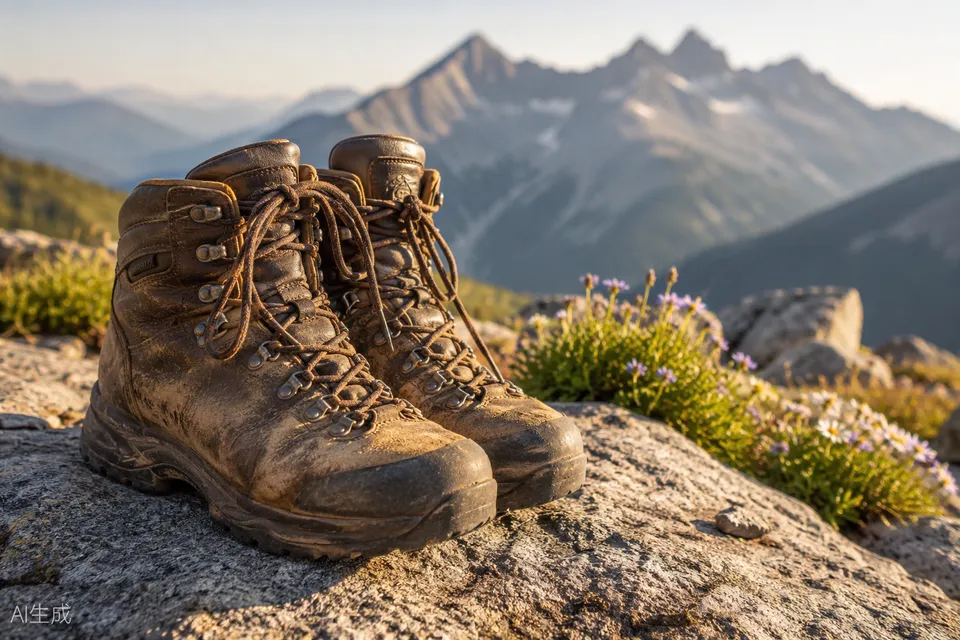
Trail Runners vs. Hiking Boots: An Honest Verdict After 1,000 Miles
How we fund this site: when you buy through links in this article we may earn a commission at no extra cost to you. Our rankings are never for sale — read how we test.
It's the longest-running argument in hiking. Our test team is genuinely split — so instead of a verdict from one side, here's what 1,000 combined miles in both taught us.
The case for trail runners
Every pound on your feet costs roughly five pounds on your back in energy. Swapping 3-lb boots for 1.4-lb runners is the cheapest endurance upgrade in hiking. Runners also flex with your foot (fewer blisters after break-in), dry overnight after creek crossings, and — contrary to folklore — studies have found no consistent link between boot height and ankle injury rates.
The case for boots
Under a 35+ lb pack on loose terrain, a boot's stiff midsole and torsional rigidity genuinely reduce foot fatigue — it's about support under load, not ankle support. Boots also win on scree and talus (leather and rands survive; mesh shreds), in snow (gaiters integrate better), and on longevity: 800 miles vs 300–400 for runners.
The decision matrix
Choose trail runners if: your pack is under 25 lbs, you hike maintained trails, you value speed and dry-time, you have strong ankles. Choose boots if: you carry 30+ lbs, hike off-trail or on sharp rock, expect snow, or your feet need structure (ask your podiatrist, not the internet).
Our team's actual choices
Of six testers: three wear trail runners (Altra Lone Peak, Salomon Speedcross, Hoka Speedgoat) for everything under 30 lbs; two wear mid boots year-round; one switches by season — runners May to October, boots with gaiters in winter.
Frequently asked questions
Do trail runners cause more ankle sprains?
Research consistently shows ankle injuries correlate with fatigue and previous injury, not footwear height. Strong ankles come from training, not leather.
Can I backpack in trail runners?
Absolutely — most PCT and AT thru-hikers do. The key is getting your base weight down so the pack, not the shoe, stays comfortable.
Waterproof runners or not?
Most thru-hikers choose non-waterproof: your feet will get wet regardless (sweat or creek), and non-WP shoes dry in hours instead of days.
Shop both camps: hiking boots & shoes, and our boots buyer's guide.
Gear mentioned in this guide
Prices and availability update at the merchant's site.
Best OverallSalomon X Ultra 4 GTX
A light, agile low-cut hiker with a locked-in fit and Contagrip outsole that grips wet rock better than anything else we tested.
Best BudgetMerrell Moab 3 Mid WP
The world's best-selling hiking boot for a reason: out-of-box comfort, wide sizing options, and a price that's hard to beat.
Best for ScramblingLa Sportiva TX4
An approach shoe with a sticky Vibram Megagrip sole and climbing-zone toe that eats fourth-class terrain for breakfast.