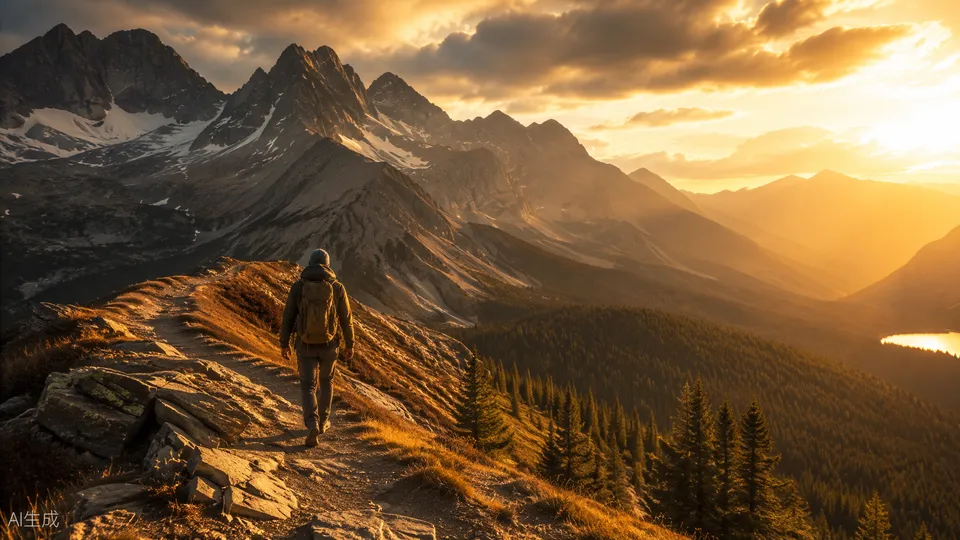
How to Choose a Low-Impact Campsite for a Small Tent
How we fund this site: when you buy through links in this article we may earn a commission at no extra cost to you. Our rankings are never for sale — read how we test.
Check local rules first [1]. In popular areas, use an established site or tent pad and stay on its bare core. In untouched areas, only if skilled in Leave No Trace, choose an unused durable spot, stay one night, and restore it [1]. Always avoid lightly worn sites, camp 200 feet from water and well off trails, never reshape the ground, and watch for dead limbs [2].
Start with the rules: designated, established, or dispersed camping?
Legal options narrow the choice before ecology does. Check the rules and regulations for the area you plan to visit, since they determine what type of camping, and so what type of campsite, you should look for [1]. Where no specific camping rules exist, you can generally camp wherever you like, but you are still expected to choose a low-impact spot [1].
In more popular areas, managers may recommend or require existing, well-established campsites. These may be marked on maps, carry paint blazes or small signs, or appear in smartphone apps [1]. Some established sites sit near others that are less sustainable, violate camping setbacks, or are closed for recovery, so pick the established site and skip the rest [1].
Dispersed camping is not always an option. On the Appalachian Trail, it is allowed on only about half of the route to protect the Trail, so check local regulations before counting on it [2]. Dispersed sites also take more time and effort to find, which matters if you expect to arrive late in the day [2].
Not for large groups. Leave No Trace recommends a designated group site, which is designed to hold multiple tents and isolate noise from others [3]. Car campers on assigned pads at developed campgrounds will find most of this decision already made, though keeping tents and equipment on the hardened site still applies [5].
High-use or pristine? Why the right choice flips
Leave No Trace calls campsite selection perhaps the most critical part of low-impact backcountry use, and it often involves trade-offs between ecological and social impacts [3]. The core logic: concentrate impact where the ground is already worn, and spread it thin where the ground is untouched [3][1].
| Area type | What to do | Who it fits |
|---|---|---|
| High-use or popular | Pitch on an existing site, tent pad, or area devoid of vegetation and keep everything on the bare core [3][1] | Most backpackers, including newer campers [1] |
| Lightly used, just starting to show wear | Skip it and leave it to recover [4][2] | No one; keep looking [2] |
| Remote and undisturbed | Durable spot out of sight with no prior disturbance; one night; restore before leaving [1] | Only campers committed to and highly skilled in Leave No Trace [3] |
The middle case is the one to avoid. Matted grass usually marks a spot where someone camped recently, and giving it rest lets it regenerate [4]. Appalachian Trail Conservancy guidance says the same: choose ground that either shows no past use or has already been heavily used, and leave sites just beginning to show use to regrow [2].
If you are not confident in Leave No Trace techniques, stay on established sites. Remote camping is best suited to experienced campers in low-use areas, and you should choose it only if you can do it successfully [1]. Depending on the weather, a hammock may suit this style better than a tent; our hammock vs. tent comparison covers that choice [1].
Reading the ground: which surfaces hold up under a tent
Leave No Trace bases the campsite decision on five factors [3]:
- The area's level and type of use [3]
- The fragility of its vegetation and soil [3]
- The likelihood of disturbing wildlife [3]
- Previous impacts already visible on the site [3]
- Your own party's potential to cause or avoid impact [3]
| Surface | Durability | Notes |
|---|---|---|
| Tent platforms and designated pads | Durable | Among the least impactful places to camp [3][2] |
| Bare soil or dirt | Durable | Best on a site where others clearly camped before [6][2] |
| Rock | Durable | Leave rocks in place; wildlife may live underneath [7][2] |
| Grass | Listed as durable [2] | Skip if already matted from recent use [4] |
| Small plants and fragile vegetation | Not durable | Avoid pitching on top of them [6] |
Grass is the judgment call. The ATC lists it among durable surfaces [2], and one low-impact guide notes that flattened grass recovers within a short time [7]. But matted grass is also the classic sign of a site just starting to wear, which you should leave alone [4]. Healthy, unmarked grass for one night is a different case from a patch already matted down [4][2].
Local context matters too. Learn which habitats are locally fragile, what is native, and where wildlife lives, including under rocks, before deciding a spot is harmless [7]. A compact tent makes it easier to ensure there is enough durable surface for your shelter and gear [3]; our backpacking tent guide covers shelter options.
How far from water, trails, and other campers?
| Feature | Guideline | Why it matters |
|---|---|---|
| Water sources | About 200 feet [2] | Keeps impact away from water [6][2] |
| Trail | Well off it; at least 70 big steps on the A.T., ideally out of sight [2] | Keeps the trail clear for other hikers [6] |
| Other groups | A reasonable distance when open sites allow [6] | Gives everyone privacy [6] |
| Cliff edges | Well back from the edge [6] | Edges erode, and night trips near them are risky [6] |
The 200-foot water setback is the most consistent number in the guidance [2]. For remote, undisturbed spots, wilderness.net adds that the site should be out of sight of trails, water, and other campsites [1]. Don't set up in a way that obstructs the trail, so passing hikers don't have to dodge you and your gear [6].
Crowded lakeside areas may leave few options. If sites are packed, do your best to give neighbors some privacy, as you would want them to do for you [6]. Within your own party, spacing tents reduces visual impact and noise [4], but on an established site keep that spacing inside its durable core rather than spreading onto plants [1].
Keeping a small footprint once the tent is up
Site creep happens when campers keep trampling a site's boundary, so it grows larger over time [3]. An enlarged site also becomes more likely to be closed for restoration [1]. The fix is to keep all activity on the core barren, most durable area, and if the site is too small, split up and use more than one campsite [1].
Habits that keep impact contained [3][4]:
- Keep gear organized rather than spread across camp [4]
- Wear soft shoes around camp [3]
- Carry water containers to cut the number of trips to water [3]
- Use large rock slabs as kitchen sites [3]
- In undisturbed areas, watch where you walk and take alternate paths to water [3]
In bear country, set up a triangle that keeps your cooking and eating area separate from your tent and your food storage spot [4]. This page stops at basic layout; our bear canister and food storage guide covers storage methods in detail.
Sites are found, not made. Don't cut back branches or bushes, gather pine needles for a bed, or move rocks to build a windbreak [4]. Don't cut live trees, dig trenches, or build structures [2]. If a spot needs reshaping to work, keep looking [4].
Safety checks that also protect the site
Look up before you unpack. Avoid spots near dangling limbs or leaning dead, diseased, or storm-damaged trees, often called hazard trees [2]. Don't pitch beneath large dead branches that could fall in a windstorm [6]. High winds can bring branches down around a camp in the middle of the night [4].
In bad weather, set up near smaller trees rather than directly beside the tallest ones, since lightning is attracted to the tallest object; trees also help break up the wind [6]. Stay well back from cliff edges, which erode and are dangerous when you get up half asleep at night [6]. For exposed winter camping, our 4-season tent guide covers storm-oriented shelters.
Fires are a separate decision. The ATC advises against fires at dispersed sites [2], and remote-site guidance calls for no campfires [1]. Where fires are allowed, check fire conditions with the managing agency first, use only provided rings or pits, keep water or a shovel nearby, and place heat-producing equipment away from trees, dry grass, leaves, and overhanging twigs [5].
Before you leave: making the site look untouched
Take a step back and check your space so it looks as if you weren't there [4]. One low-impact guide sets the bar plainly: the campsite should look exactly as it did when you arrived [7]. Pack out all waste, including food scraps such as banana peels and orange skins [7].
On a pristine site, go further and restore the spot so all evidence of your visit is invisible and others won't find and reuse it [1]. If you stay more than one night in undisturbed country, move camp or at least move your tent so no patch of ground is trampled repeatedly [3][4].
On established sites, the opposite applies. Keep using the same hardened site and its core so impact stays where it already exists rather than spreading to surrounding vegetation [1][5].
Frequently asked questions
Is grass a durable surface for a tent, or will pitching on it start a new impact?
It depends on its condition. The ATC lists grass among durable surfaces [2], and flattened grass generally recovers within a short time [7]. Matted grass, though, often marks a recent campsite, and it is better left to rest and regenerate [4]. Healthy, unmarked grass for a single night is a reasonable option where dispersed camping is allowed. Small plants and fragile vegetation are a different matter and should be avoided [6].
Why should I avoid a spot that looks lightly used but still pick one that is heavily used?
Restricting tents to existing, hardened sites prevents erosion and soil compaction of the surrounding vegetation [5], so a heavily used site absorbs your impact on ground that is already worn. A lightly used site can still regenerate if people give it rest [4]. That is why the guidance says to choose a surface with no sign of past use or one already heavily used, and to leave sites just beginning to show use to regrow [2].
How far should my tent be from lakes, streams, and the trail?
Camp about 200 feet from water sources [2]. Set up well away from the trail, at least 70 big steps on the Appalachian Trail, and ideally out of sight of it [2]. Avoid any spot where your tent obstructs the trail [6]. For remote sites, wilderness.net advises a spot out of sight of trails, water, and other campsites [1]. Local regulations may set their own distances, so check them before your trip [1].
What if the established site is too small for my tent and gear without trampling its edges?
Don't stretch onto the vegetated edges to make room. Keep all activity on the site's barren, most durable core, and if it won't fit, split your group and use more than one campsite [1]. Trampling the boundary causes site creep [3] and makes the site more likely to be closed for restoration [1]. Keeping gear organized frees up space [4], and large groups should look for a designated group site [3].
Can I move rocks, sticks, or pine needles to make a flatter or softer spot?
No. The best sites are found, not made. Guidance advises against cutting branches or bushes, gathering pine needles for a bed, or moving rocks to block wind [4]. The ATC adds no cutting live trees, digging trenches, or building structures [2]. Rocks may also shelter wildlife underneath [7]. If a spot isn't flat enough as you find it, look for another established site or durable surface nearby.
If I stay more than one night, should I move my tent or keep it in the same place?
It depends on the site type. In undisturbed areas, Leave No Trace advises moving camp every night to minimize how often any part of the site is trampled [3], and on multi-day stays you should at least move your tent so you don't damage the ground [4]. On an established site, staying on the same durable core keeps impact concentrated where it already exists [1].
Sources
-
How to Choose a Wilderness Campsite — accessed 2026-10-06.
-
Campsite Selection: The Secret to Happy Campers - Appalachian Trail Conservancy — accessed 2026-10-06.
-
Principle 2: Travel & Camp on Durable Surfaces | Leave No Trace — accessed 2026-10-06.
-
10 Tips for Choosing A Sustainable Campsite | Therm-A-Rest Blog – Cascade Designs — accessed 2026-10-06.
-
Leave no trace: how to practice low-impact camping — accessed 2026-10-06.
-
How to Choose a Backcountry Campsite (that follows Leave No Trace) – Bearfoot Theory — accessed 2026-10-06.
-
A guide to Low Impact Camping | Nearly Wild Camping — accessed 2026-10-06.
Gear mentioned in this guide
Prices and availability update at the merchant's site.
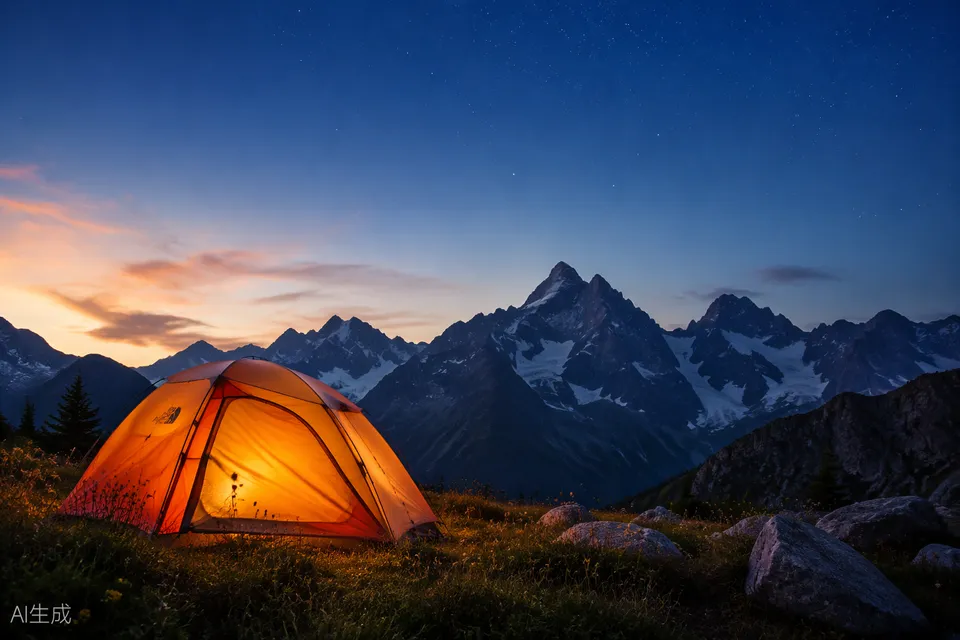 Best Overall Tent
Big Agnes Copper Spur HV UL2
The benchmark ultralight 2P tent: 3 lbs, two doors, near-vertical walls, and enough storm-worthiness for three-season backpacking.
Best Value TentREI Co-op Half Dome SL 2+
Roomy, durable, and half the price of ultralight competitors. The tent we recommend to anyone buying their first backpacking shelter.
Best ComfortNEMO Disco 15 Sleeping Bag
A spoon-shaped 15°F bag that lets side sleepers actually sleep. 650-fill down keeps it under 3 lbs.