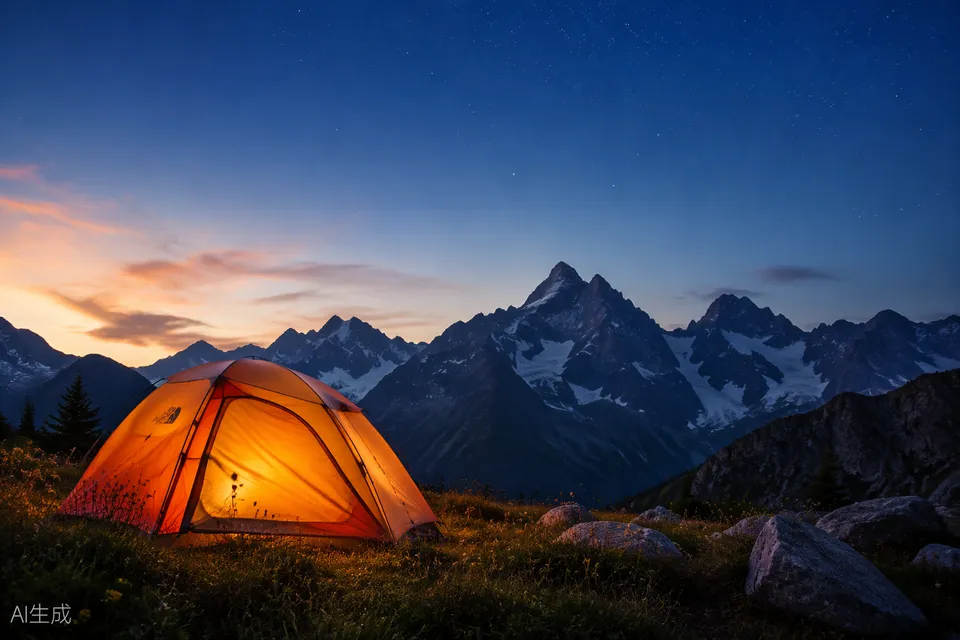
Hammock vs. Tent for Backpacking: An Honest Verdict From Both Camps
How we fund this site: when you buy through links in this article we may earn a commission at no extra cost to you. Our rankings are never for sale — read how we test.
No gear debate gets more passionate with less data. So we ran both systems for a full season — same trips, alternating shelters — and compared honestly.
Where hammocks genuinely win
Comfort. A well-hung hammock (30° straps, diagonal lay) is the best sleep most backpackers have ever had outdoors. No rocks, no roots, no flat-ground hunting at dusk. Terrain independence. Slope, mud, lumpy forest floor — irrelevant. Any two trees 12–18 feet apart is a campsite. Leave-no-trace bonus: zero ground impact. Modularity. Rain threatening? Tarp first, hammock second, and you can pack up dry underneath in the morning.
Where tents still win
Trees. Above treeline, in deserts, on beaches — no anchors, no hammock. This one fact decides many trips. Cold. Compressed insulation under you fails in a hammock exactly like on the ground; you need an underquilt ($150–300) or a pad wrestled into place. Below 40°F, tent systems are simpler and often lighter as a complete system. Bug pressure without a net, and partner logistics. Two-person hammock camping is two hammocks.
The weight myth
A complete hammock kit (hammock + bug net + tarp + underquilt + top quilt) typically weighs about the same as a comparable tent + pad + bag — 5.5–7 lbs either way. Hammocks win comfort per ounce, not ounces.
Frequently asked questions
Is hammock camping bad for trees?
Not with wide (1-inch+) tree-saver straps, which spread load and protect bark. Many parks require them; some ban hammocks entirely — check rules before you go.
How cold can you hammock camp?
With a proper underquilt rated for the temps and a top quilt, comfortably below freezing. The limiting factor is usually wind under the tarp — use a tarp with doors in winter.
Is it hard to sleep flat in a hammock?
The trick is the diagonal lay: hang with a 30° strap angle, then lie 10–15° off the hammock's centerline. Your body flattens out — most people who 'can't sleep in hammocks' were hanging wrong.
Staying grounded? Our tent tests and sleeping pad rankings.
Gear mentioned in this guide
Prices and availability update at the merchant's site.
Best Overall TentBig Agnes Copper Spur HV UL2
The benchmark ultralight 2P tent: 3 lbs, two doors, near-vertical walls, and enough storm-worthiness for three-season backpacking.
Best Value TentREI Co-op Half Dome SL 2+
Roomy, durable, and half the price of ultralight competitors. The tent we recommend to anyone buying their first backpacking shelter.
Best ComfortNEMO Disco 15 Sleeping Bag
A spoon-shaped 15°F bag that lets side sleepers actually sleep. 650-fill down keeps it under 3 lbs.